

A few years ago, I set out to become a calm & fluffy version of myself, like a cute cloud. It was a useful visual for me, which later turned into this newsletter to document this journey.
Over time, I’ve built out a system which has helped me be calm & fluffy and I hope it can do the same for you.
This is just the most recent iteration. It keeps evolving. Figure out what works for you. Adapt. Take only one step at a time.
Overview
The core principle
There are certain ideas or beliefs that underpin this system. I would like to lay them out before I get practical.
The path is the goal; the goal is the path
At one point, I was looking for a spot on a waitlist for a medical specialism that is in low supply in Berlin. Most practices are so busy that they have closed their waitlists. There is a workaround: if you can prove to your insurance provider that you have been diligently reaching out, you can graduate to the next level of German bureaucracy and have them reimburse treatment at a private clinic.
It’s a complicated, overwhelming process. Especially as a foreigner. So overwhelming that it seemed like an insurmountable task.
That changed when I started treating the path towards treatment as the goal itself. I resolved to spend 30 minutes per week finding relevant specialists and, on 3 days per week, to reach out to at least 1 of them.
This solved everything. I knew that as long as I stayed on that path, I would eventually find treatment. I didn’t know how long the path was, but I knew that as long as I kept taking steps, even tiny ones, I would eventually reach my destination.
It clicked. Since then, the path has become the goal. If I stumble on anything overwhelming, I remind myself that the goal is a path. All I need to do is identify the shape of the steps and commit to making them regularly. The path will carry me there.
The system
A yearly aspiration
A current cornerstone of this system is James McAulay’s goal-setting framework and OKR megaprompt, which I wrote about recently. Before breaking down goals to quarterly objectives, you begin with considering your yearly aspiration, by answering these questions:
Where do you want to be 12 months from now? Not just achievements. Who have you become? What’s different about your life, work, health, relationships?
Now flip it around: in that future you just described, what’s no longer a problem? What have you solved or left behind?
What would make you look back on this year and think ‘that was a turning point year’ vs ‘that was fine’?
You then synthesise these answers into a single sentence. It has to be identity-focused and action-oriented.
At the start of the year, I set out to take some risks, flip some aspects of my life around, and, to some degree, dive into the unknown, and my aspiration reflects that.
Become a grounded, socially open, and consistent person by confronting fear directly and building daily practices and environments that reduce overwhelm, support meaningful work and financial stability, and grow Calm & Fluffy into a recognised platform that opens new opportunities.
This is just an example. It’s important that you answer each question, in the correct order, and then start synthesising. You can then use my synthesis to know whether you’re on track.
You can also use this megaprompt with your preferred AI tool, which can walk you through all the steps and synthesise.
Quarterly goals (OKRs)
Every quarter I sit down to break my yearly aspiration down into quarter-specific goals. I formulate these as Objectives with Key Results (OKRs).
Objectives are the goals. Key Results are how you measure progress towards the goal.
I’ve written about it in detail here:

Pomodoro technique
I use the Pomodoro technique to guide most of my days. You decide what needs to get done, then set a 25-minute timer and get to work. When the timer ends, you take a 5-minute break. Then you repeat. After 4 repetitions, you take a longer break (~20 minutes).
This helps me manage my attention. While the timer is running, all that matters is that one task. If other things come to my attention, I drop them into my to-do list for later, so I can get them out of my mind and return my focus to the task.
Sometimes I run a Pomodoro specifically for all those small things that can come up during the day, like short emails, Slack messages, WhatsApp replies, etc.
The technique also means that in the 5-minute breaks, I can bring some presence to my body and mind.
Daily to-do items that work towards OKRs
I set about 3-5 to-do items every day that help me progress towards the quarter’s Objectives. The Key Results actually make it easy to make things granular. For example, one key result this quarter reads:
Publish ≥1 Calm & Fluffy artefact every two weeks, within the time budget.
I timebox my newsletter-related activities so they don’t cut into the time I need for other goals. Every two weeks, I want to publish one piece. The types of to-do items related to one piece can be:
Research [topic] for 2 pomodoros
Reach out to 3 potential interview candidates
Prepare questions for interview for 1 pomodoro
Write article for 4 pomodoros
Prepare Instagram assets for 2 pomodoros
These are timeboxed examples, but you can also leave them with less constrained time budgets and formulate them using the SMART criteria.
Daily check-in and check-out system
The day starts with a check-in.
When I open my laptop at my desk, I first check the day’s to-do list, which I usually prepare the day before. I order things by priority. I might dip into my inbox to see if there is anything time-sensitive that needs to go on the list. I usually take about 5-10 minutes for this. Then I set my first Pomodoro timer and get to work.
At the end of the day, I do a check-out.
I set tomorrow’s to-do items, incl. stuff that might carry over from the previous day. In the spirit of being calm & fluffy, I try to be really nice to tomorrow-me, so the list will be about 3-5 items. I don’t want tomorrow’s version of myself to be immediately overwhelmed at the start of the day.
Then I close apps and tabs I won’t need tomorrow. Bookmarking everything I might want to save for later (or adding them in separate lists in my to-do app, e.g. articles go in a reading list, YouTube videos go in a watch list, etc). Then I tidy my desk, so I have a nice spot to return to the next day, which I’ll have yesterday-me to thank for.
Weekly OKR check-ins
At the start of every week, I check in on my goals. I fill out the column of key results with the most recent numbers and reflect on gaps, setbacks, or just a lack of progress. I ask: What can I do this week to make a difference?
Sometimes it turns out that what you thought was a priority isn't one after all. In that case, it can be let go, so you can focus on what actually matters. More often, you haven’t quite figured out how to move the needle and you may need to plan some time to figure out how you might make better progress. What is blocking you? If you achieved the goal and walked the path backwards, what would that path look like from end to beginning? What do the first steps look like?
Sometimes a Key Result needs to be simplified. Instead of “Conduct 10 interviews for Calm & Fluffy”, you can alter to “Reach out to 20 interview candidates for Calm & Fluffy” or even “Spend 2 pomodoros per week identifying and reaching out to interview candidates”.
Don’t allow yourself to get overwhelmed. Break things down, so you know the shape of the next step on the path. The path is the goal, and the goal is the path.
Journaling
I journal daily. Which means I journal every other day. Some days slip. That’s fine.
This is another cornerstone of the practice. It means starting the day with reflection. I do this right before my daily check-in. Before doing anything else at my desk.
It helps me to offload thoughts, reflect on progress, and think about where I’m getting stuck, what I can do, what I’m happy about or grateful for, etc. It’s a close neighbour of the daily check-in / check-out dynamic and the weekly OKR review.
I do this digitally on my laptop, because I like things to be searchable in the future, but you can also do this in writing. Some days, when I get up early to go out into nature, I take my physical journal with me and write between the trees amid birdsong.
Morning meditations
Having this system in place made it quite easy to tack on another long-term aspiration: a consistent meditation practice. Through the above components of the system, I identified an obstacle. I currently use my phone as an alarm (I know, I know), which means it's the first thing I reach for in the morning, and I would often end up ‘productively procrastinating’ by reading messages, the news, etc.
This would take up time and make me feel ‘behind’ on the day. That feeling would cause anxiety, which would make everything a little bit more challenging. Moreover, it felt like I was kind of polluting my mind; instead of taking a moment to connect to the world directly around me and check in with myself, I let in whatever the world was sending me.
Now, when my alarm rings, I get up, pop to the bathroom to brush my teeth and then sit down to meditate. I created a small corner in my room with a meditation pillow and items I might focus my attention on.
Sometimes I sit for 20 minutes. More often, I sit for 5. If I really don’t feel like it, or I’m in a rush, I set a timer for 3 minutes. Consistency is more important than length.
I’ve now meditated daily for 111 days.

This check-in with myself connects with the rest of my practice. I start by listening to my mind and body. What comes up might go into my journal, to-do list, etc. Knowing that those steps come later in the morning also makes it a little easier to clear my mind. I don’t have to hold on to thoughts. I’ll get to them later.
Recovery through scope collapse
We all have bad days. At least that’s what I like to tell myself when I have one. I can’t always focus or get stuff done according to my own standards. It can trigger anxiety and set off a bit of a spiral, so when I get overwhelmed, I do the following:
I take a moment to return to presence and then set one pomodoro for a priority on my list. If it’s overwhelming, I use that pomodoro to figure out how I can break it down into smaller steps. After that pomodoro, I allow myself to be ‘done’ and take a long break.
Often, I don’t need that break, and I’ll be back on track. But sometimes I do. I try to organise my life and work so I can postpone work until another time. My peace and focus are what allow me to do my best work. That should be protected.
When there’s a fire in the factory, you stop work and put out the fire.
When there’s a fire in the mind, stop work and put out the fire.
Your recovery mechanism may look very different. For me, it’s collapsing the scope for the day, running 1 pomodoro, then running my check-out.
Often, with the fire doused, I can sit back down at my desk later in the day and still get everything done that I set out to do.
Sometimes I can’t, that’s fine.
No factory, no work. No focused mind, no great work.
Physical activity at recurring slots
I used to live quite a different life. That started changing a few years ago, when I began fitness training. I had always been relatively fit — walking and cycling a lot, and spending many a night dancing.
But when I joined my first high-intensity interval training and spinning classes, I felt out of place and out of shape. I struggled to coordinate my limbs for jumping jacks, and especially at the beginning, there were a few sessions that I worried my lunch would make a surprise appearance on the gym floor.
I practised about twice a week, sometimes three. Got to know my body better. How it recovers. That it rebuilds during rest and sleep. As I got used to being an active person, slowly becoming leaner and fitter, I extended my practice. Challenging myself to get out of my comfort zone. I added pilates, dance, and mobility, because I noticed the heaviest part of lifting weights was the tension in my body, built up over years of sitting hunched over desks for the vast majority of my days.
I’m now a very active, sporty person, which still feels weird even after all these years. When I get to know people, their first impression is of this version of me that I don’t even really know yet.
I wanted to put some structure in place. The anonymity of living in a big city like Berlin can feel liberating, but it can also be alienating. I wanted some regular slots to make it more likely to bump into the same people, get good guidance from teachers who get to know me, and also give my body set intervals to nourish it.
Mondays are for mobility, Tuesdays for meditation and mindfulness, Wednesdays and Fridays for strength, Saturdays for long bike journeys (if time allows), and Sundays for ballet. Thursdays are my day off, though sometimes I’ll go to a dance, barre, yoga, or pilates class.
This has made good food and plenty of rest much more important and has made it so much easier to live a life that gives me a lot of focus, happiness, and energy.
Weekly nature visit
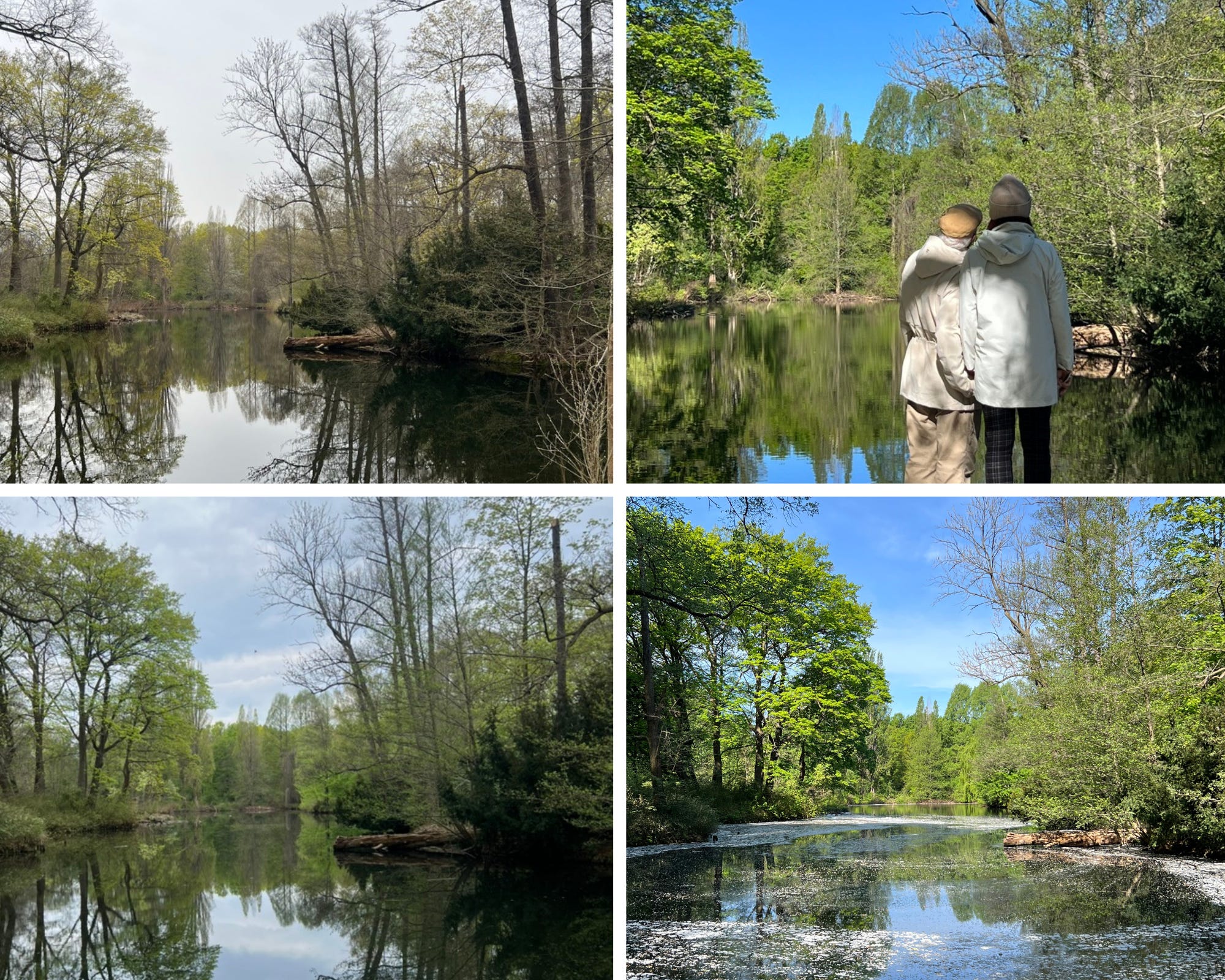
I love spending time among the trees, among birds. If time allows, I grab my bike on Saturdays and head off to the forest for some hours. There, I sit, I meditate, I read, and maybe listen to some ambient so softly that I can barely hear it over the birdsong.
I may have read somewhere that being in nature reduces stress and anxiety, and it definitely helps me. Going every week means I get to see how the forest and the life in it change throughout the seasons. It’s a highlight of the week.
Recently, I started working as a tour guide (by bike, so more physical exercise!), which unfortunately hasn’t left much room on Saturdays to go out to the forest. Luckily, I live close to a huge, beautiful urban park, so I go to my favourite spot every Sunday morning before ballet.
There, I am greeted by a symphony orchestra of birds, held by the architecture of plant life. Arriving, I take it all in.
No social media
I ditched social media for personal use last year. It felt like a net negative and as a surrogate for real socialising. Instead of a social diet of snacks, I decided to bring more depth and immediacy to my friendships.

By leaving social media, my social circles may have become smaller, but they are much more meaningful and gratifying. I’m well aware of what’s up with my close friends, but I no longer expose myself to all the thoughts and opinions on current events of my vast network of acquaintances.
I’ve come to the conclusion that most opinions, including my own, are not that important, anyway.
No excessive news
I used to procrastinate by reading the news. It still felt productive, but was mostly a waste of time and a great way to let my internal world be taken over by thoughts and events well outside of my sphere of influence.
I stopped that. I now catch my news whenever I listen to the radio, via friends, and via mentions on podcasts. That’s about it.

No algorithm surfing
A big part of this system is self-direction and intentionality. We cannot be intentional if we let others decide what to bring to our attention all the time. This was one of the major reasons why I left music streaming behind, despite having built a career leading product at streaming services.

I wanted to disconnect from the algorithm, rebuild my collection, and listen to music with much more intention. It has been great.
Social media is another obvious candidate for the chopping block, but it had already been chopped. Dating apps are another one you might want to consider. They, like social media, seem to bring a net negative for most people. Letting tech bros’ advertising-driven algorithms decide who I meet just irked me. That’s not the foundation I want for the most important connections I might make in my life.
No alcohol
I have found that for me, this system is not compatible with alcohol. I don’t want the effects to carry over to the next day. I want my full energy. My full focus. This system is built around consistency, so alcohol carries too high a cost.
It has meant finding other ways to unwind and letting some social situations become less appealing.
That’s the trade-off I made. It might not be yours.
Shifting work away from my laptop
For two decades, I’ve toiled away at my laptop throughout the day, and then in my free time, I’d peer through that same screen to chat with friends, watch films, or play games. What a shame to live so much of my life through such a small window.
I already adjusted how I spend my free time, but I also decided to shift some of my work life away from my laptop. I now spend about 1.5 days per week guiding visitors around Berlin by bike and telling them about the city’s layered and often dark history.
It might lead to 6-day workweeks every now and then, with early mornings and late evenings, but it’s so fulfilling. (more on LinkedIn)
Weekly meditation with a steady community
Once a week, I practice meditation and other forms of mindfulness with a steady community. The composition of the group may differ from week to week, but what doesn’t change is that we all provide a home and space for each other to share our thoughts and feelings, and support one another through listening.
In Buddhism, this is called a Sangha. I highly recommend finding a community like this for yourself. It may be a talking group for neurodivergent people, a friendly hobby group like a choir, or something else.
Some people may have this in the form of a long-term group of friends, but many people, especially those who have moved around a lot, may need to make an effort to find such a community.
Set the goal, see the path, take a step. Then another.
The tools
You could do all of this with pen and paper or a notes app and a timer.
Here are the tools I use (almost) daily.
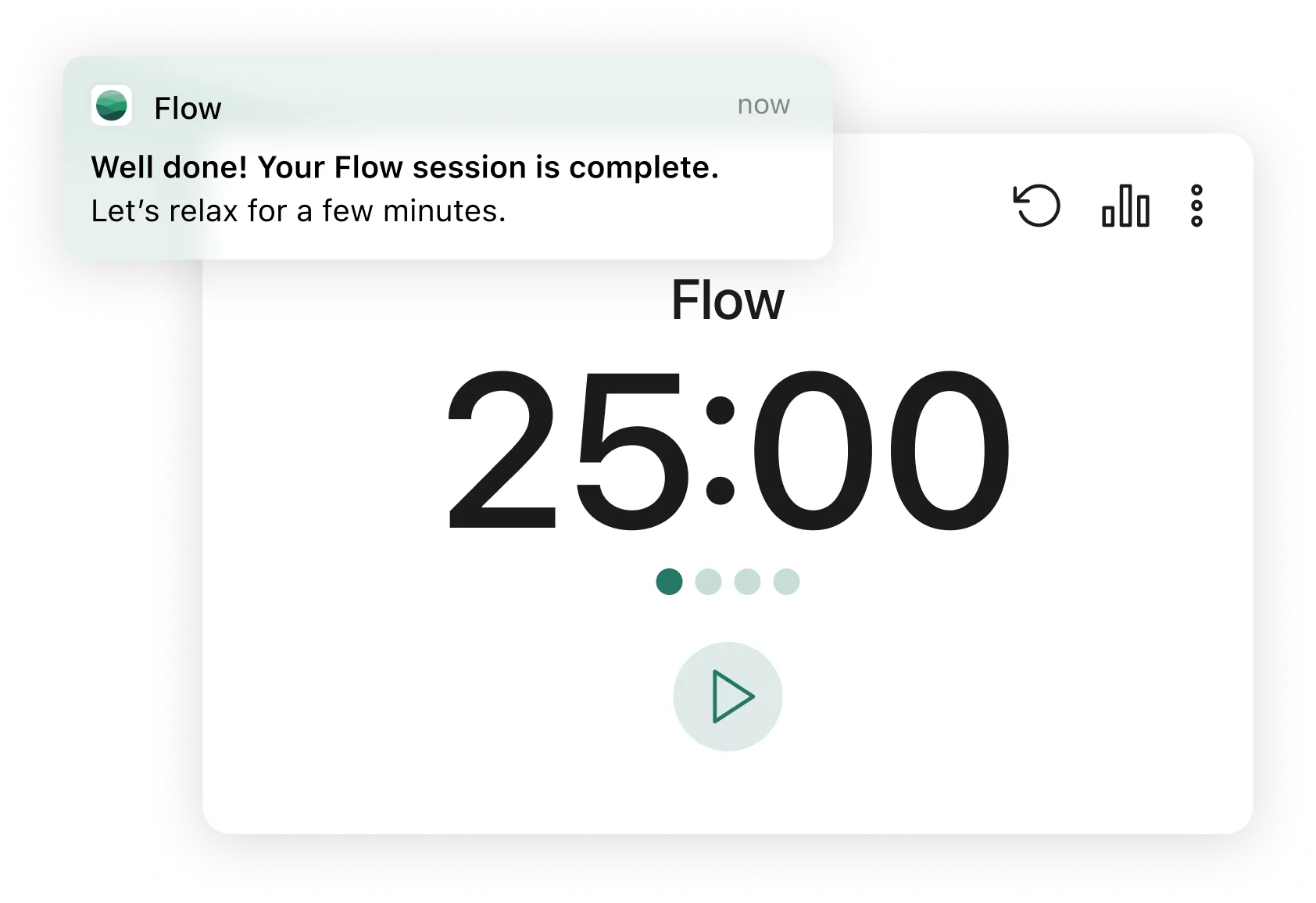
Flow: Pomodoro-timer
A simple Pomodoro-timer. I just wanted a simple mechanism I can run on my laptop and phone. It’s free. The paid version has more advanced stuff I have no need for, like stats and cross-device sync.
Todoist
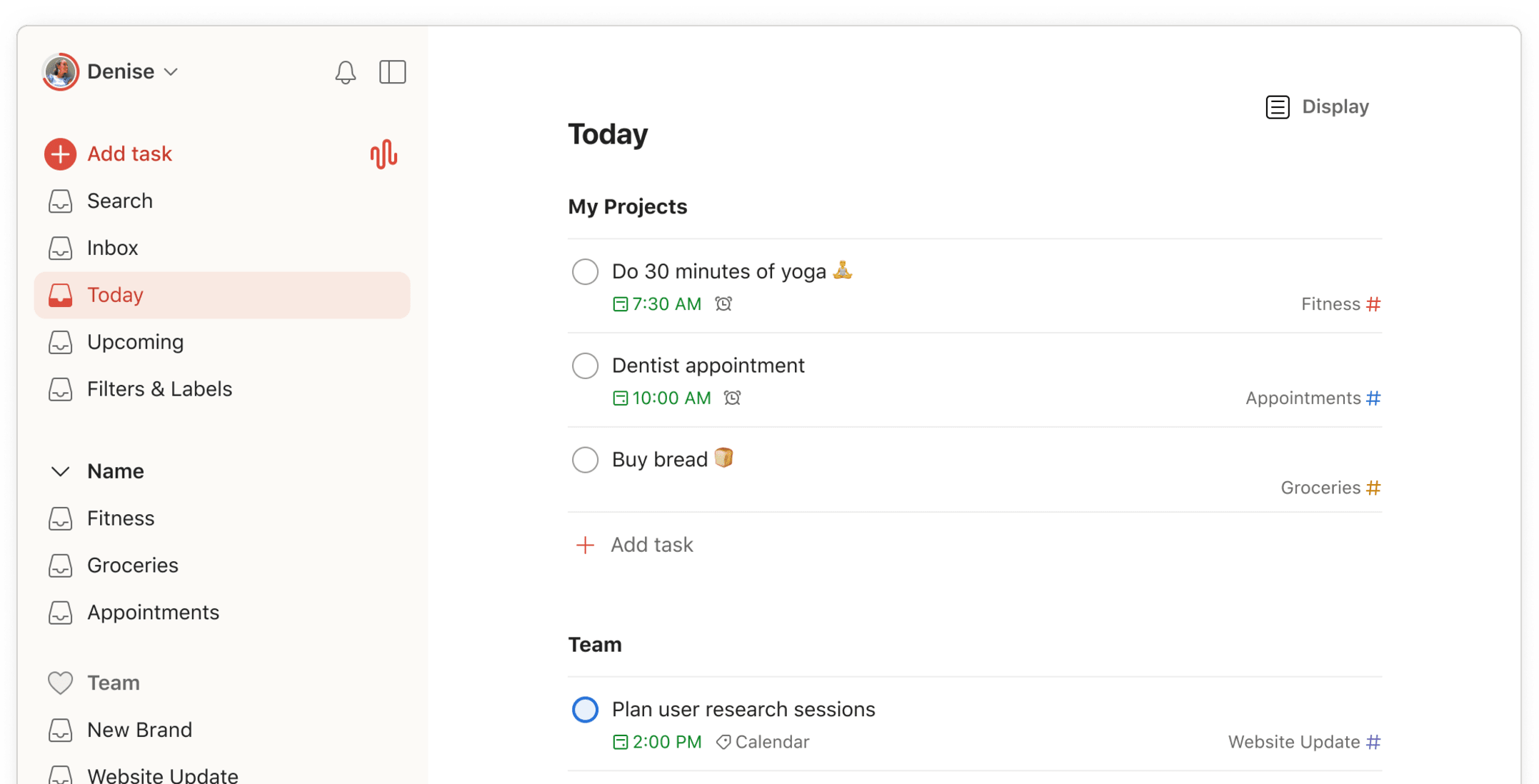
My to-do list app on my MacBook and iPhone. I got it years ago. I think it was paid back then, but now it’s free with an optional subscription. Used it sporadically over many years.
This year has been the longest stretch I’ve stuck with it and have used it daily.
Works on almost any device and in your browser.
What I like about it is that you can quickly dump items into it, and they’re easy to sort, prioritise, postpone, or reorganise.
Google Sheets
This year, I degoogled and made the switch to Proton’s more privacy-friendly (and Europe-based) suite of tools; however, Proton’s spreadsheet product needs a lot of love. It’s too buggy to reliably use.
I use Google Sheets to track my OKRs. This way, I can access it anywhere. Sometimes I need a reminder, and sometimes I may want to celebrate a win by adding it to the spreadsheet.
Claude or ChatGPT
I use an AI tool as my OKR coach, running the aforementioned OKR megaprompt through it. It’s optional. If you prefer not to use AI, you can also do this the oldschool way.
In that case, I highly recommend sitting down with an accountability buddy, as you both go through the exercise of setting your yearly and quarterly goals, so you can challenge each other and hold mirrors up.
Plum Village app
I currently use the free Plum Village app’s meditation timer for my morning meditations. Sometimes, when I have more time, I’ll follow one of the guided meditations offered in the app, recorded by monks living in one of the Plum Village tradition Buddhist monasteries founded by Thich Nhat Hanh.
I’ve also happily used Headspace, Endel, and my phone’s timer app.
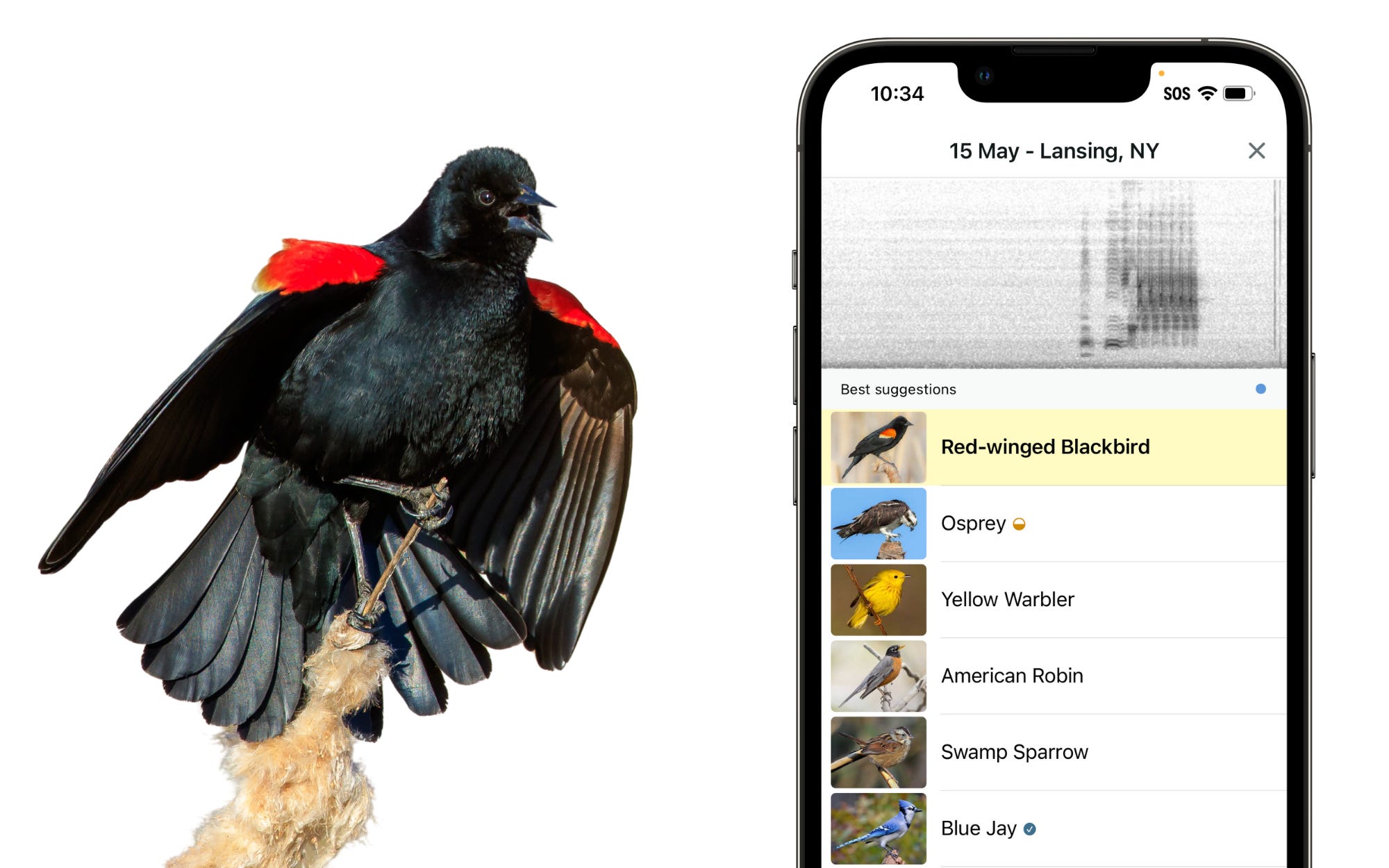
Merlin Bird ID
Basically, Shazam for birds. You can use it to identify the birds around you. Think Pokémon Go, but for animals that actually exist. It can help make the forest or even the patch of grass around the corner more magical.
The first step
This is not something I implemented all at once. It took 3 years to come together. Start small. It’s not done. I’m still taking my steps down the path.
For me, the most important thing was physical exercise. It challenged me and my perception of myself; I could see myself grow; it provided an outlet for my energy and returned a more useful form of energy.
If you’re not regularly exercising, even if you have an active lifestyle, I would recommend that most people start there.
But ultimately, what’s most important is this:
Pick the path where you can best envision yourself taking each step with joy.
Step by step.
ᕱᕱ For your ears ᕱᕱ
This week I’ve been floating through the skies (and my inbox) to this work by Finnish ambient & drone artist Aleksi Perälä called Vibrations. The sine waves it’s composed of were used at frequencies based on observations made during Aum meditation.
Thank you for writing this - so much to absorb! The FLOW app looks fascinating, and quarterly life check-ins seem v productive. Will return to this article in the future, I'm sure!
Great and informative read. I love learning about other people's systems in this way. Thank you for sharing Bas! Planning to dig into this megaprompt article next :)